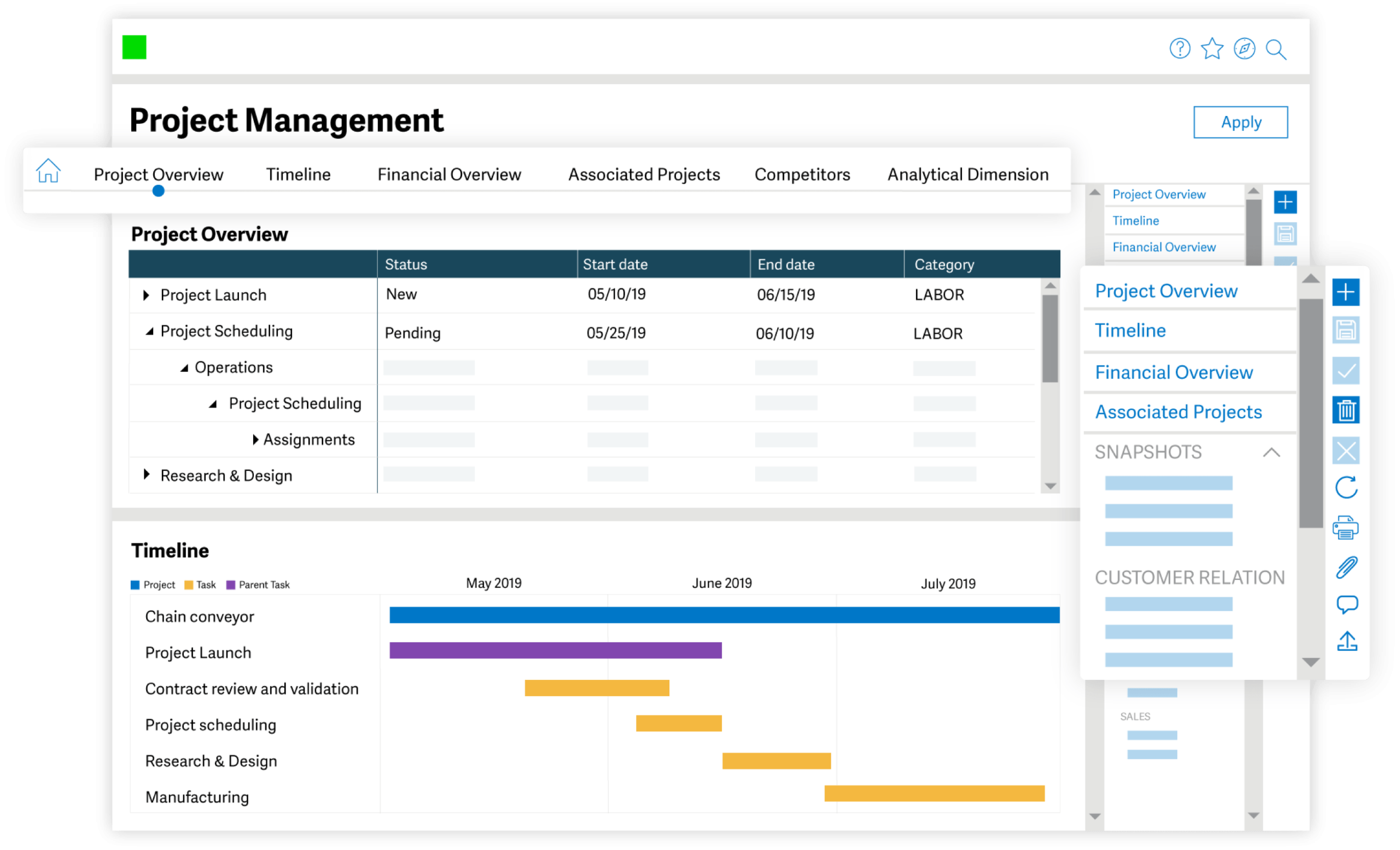
Welcome to our discussion on maximizing efficiency with ERP solutions for medium-sized businesses. As companies continue to grow and expand, the need for streamlined processes and optimized operations becomes increasingly essential. Enterprise Resource Planning (ERP) systems offer a comprehensive solution to help businesses centralize and integrate various functions, from accounting to human resources. In this article, we will explore how ERP solutions can benefit medium-sized businesses looking to enhance their productivity and drive sustainable growth.
Benefits of ERP for Medium-Sized Businesses
Enterprise Resource Planning (ERP) systems are powerful tools that can greatly benefit medium-sized businesses in a variety of ways. These systems integrate and streamline key business processes such as finance, human resources, inventory management, and customer relationship management, providing a single source of truth for the entire organization. Here are some of the key benefits that ERP can offer to medium-sized businesses:
1. Improved Efficiency and Productivity: One of the main benefits of implementing an ERP system is the significant improvement in efficiency and productivity that it can bring to a medium-sized business. By centralizing all of the organization’s data and processes in one system, employees can easily access the information they need without having to switch between multiple applications. This reduces the time spent on manual data entry, reconciliations, and other repetitive tasks, allowing employees to focus on more strategic activities that drive business growth.
Moreover, ERP systems automate many routine tasks and workflows, such as order processing, inventory management, and payroll processing, which helps to eliminate errors and delays. This not only speeds up processes but also ensures greater accuracy and consistency in organizational operations. In addition, real-time reporting and analytics capabilities provided by ERP systems enable medium-sized businesses to make informed decisions quickly, based on up-to-date data, rather than relying on gut feelings or outdated information.
Furthermore, ERP systems facilitate collaboration and communication among different departments and teams within a medium-sized business by providing a centralized platform for sharing information and aligning goals. By breaking down silos and fostering a culture of transparency and accountability, ERP can help improve cross-functional collaboration and synergy, leading to better coordination and execution of projects and initiatives.
In conclusion, the benefits of ERP for medium-sized businesses are undeniable. From improved efficiency and productivity to better decision-making and collaboration, ERP systems can provide medium-sized businesses with the tools they need to compete effectively in today’s fast-paced and complex business environment. By investing in an ERP system, medium-sized businesses can streamline their operations, reduce costs, and drive growth, ultimately gaining a competitive edge in their respective industries.
Implementing ERP Systems for Medium-Sized Companies
Implementing an ERP system for a medium-sized company can be a daunting task, but with proper planning and execution, it can lead to significant improvements in efficiency and productivity. Here are some key steps to consider when implementing an ERP system for medium-sized businesses:
1. Assess Your Needs: Before selecting an ERP system, it is important to assess your company’s specific needs and objectives. Consider factors such as the size of your company, the industry you operate in, and the specific processes that need improvement. This assessment will help you narrow down your options and select an ERP system that best fits your company’s requirements.
2. Choose the Right ERP System: Once you have assessed your needs, it is time to choose the right ERP system for your medium-sized company. There are many ERP systems available in the market, each offering different features and capabilities. It is important to research and compare different ERP systems to find one that aligns with your company’s goals and budget.
When selecting an ERP system, consider factors such as scalability, customization options, integration with existing systems, and ongoing support. It is also important to involve key stakeholders in the decision-making process to ensure that the selected ERP system meets the needs of all departments within the company.
3. Develop a Detailed Implementation Plan: Once you have chosen an ERP system, it is crucial to develop a detailed implementation plan. This plan should outline the timeline, budget, resources, and key milestones for the ERP implementation process. It is important to involve key stakeholders from various departments to ensure a smooth and successful implementation.
Additionally, consider factors such as data migration, training needs, and change management processes. Developing a detailed implementation plan will help minimize disruptions to day-to-day operations and ensure a successful ERP implementation.
4. Conduct Training and Provide Ongoing Support: Training and support are essential components of a successful ERP implementation. Provide comprehensive training to employees on how to use the new ERP system effectively. Consider offering training sessions, workshops, and online resources to support employees during the transition period.
Additionally, provide ongoing support to address any issues or questions that may arise after the ERP system is implemented. This could include setting up a help desk, providing user manuals, or offering regular updates and maintenance to the ERP system.
5. Monitor Performance and Make Adjustments: Once the ERP system is implemented, it is important to monitor its performance and make adjustments as needed. Track key performance indicators, such as productivity, efficiency, and cost savings, to measure the impact of the ERP system on your company.
Additionally, gather feedback from employees and stakeholders to identify any areas for improvement. Consider conducting regular reviews and updates to the ERP system to ensure that it continues to meet the evolving needs of your medium-sized company.
By following these key steps, medium-sized companies can successfully implement an ERP system to improve efficiency, productivity, and overall business performance.
How ERP Can Improve Efficiency and Productivity for Medium-Sized Businesses
ERP systems have become essential tools for businesses of all sizes, including medium-sized companies. These integrated software solutions help streamline processes, automate tasks, and provide valuable insights that can lead to improved efficiency and productivity. Let’s take a closer look at how ERP can benefit medium-sized businesses:
1. Centralized Data Management:
One of the key advantages of ERP systems is the ability to centralize data from various departments and functions within a company. This means that employees across different departments can access real-time information and collaborate more effectively. For medium-sized businesses, having all data in one place eliminates the need for multiple software systems and reduces the risk of data discrepancies or errors. This centralized approach not only saves time but also improves decision-making by providing a comprehensive view of the business operations.
2. Streamlined Processes:
Another way ERP can improve efficiency and productivity for medium-sized businesses is by streamlining processes. ERP systems typically automate repetitive tasks, such as data entry, inventory management, and financial reporting. By automating these processes, employees can focus on more valuable activities that contribute to the growth of the business. Additionally, ERP systems often include workflow automation tools that can simplify approval processes, reduce bottlenecks, and ensure that tasks are completed in a timely manner. This streamlining of processes can lead to faster turnaround times, increased accuracy, and ultimately, improved productivity.
3. Enhanced Reporting and Analysis:
One of the most powerful features of ERP systems is their ability to provide businesses with real-time reporting and analysis capabilities. For medium-sized businesses looking to make informed decisions, having access to up-to-date data is crucial. ERP systems can generate customizable reports and dashboards that give insights into sales trends, inventory levels, financial performance, and more. By analyzing this data, businesses can identify opportunities for improvement, make strategic decisions, and quickly adapt to changing market conditions. Moreover, ERP systems often include forecasting tools that can help businesses predict future trends and plan accordingly. With enhanced reporting and analysis capabilities, medium-sized businesses can stay ahead of the competition and drive growth.
In conclusion, ERP systems offer a range of benefits for medium-sized businesses, from centralizing data management to streamlining processes and enhancing reporting and analysis. By implementing an ERP system, medium-sized businesses can improve efficiency, increase productivity, and ultimately, achieve their business goals more effectively.
Cost Considerations for Medium-Sized Businesses Implementing ERP
When it comes to implementing an Enterprise Resource Planning (ERP) system for a medium-sized business, there are a number of cost considerations that need to be taken into account. While the benefits of ERP are numerous, it is important to carefully assess the financial implications of implementing such a system. In this article, we will explore some key cost considerations for medium-sized businesses looking to implement ERP.
1. Licensing Costs:
One of the major cost considerations for medium-sized businesses implementing ERP is the licensing fees associated with the software. These fees can vary depending on the size of the business, the number of users, and the specific features required. It is important for businesses to carefully assess their needs and budget when selecting an ERP system to ensure that they are getting the best value for their money.
2. Implementation Costs:
In addition to licensing fees, medium-sized businesses also need to consider the costs associated with implementing the ERP system. This can include costs for training employees, integrating the system with existing software, and customizing the system to fit the specific needs of the business. It is important to factor in these implementation costs when budgeting for an ERP system to avoid any financial surprises down the line.
3. Maintenance and Support Costs:
Once the ERP system is up and running, medium-sized businesses will also need to consider ongoing maintenance and support costs. This can include fees for software updates, technical support, and troubleshooting services. It is important to factor in these costs when budgeting for an ERP system to ensure that the business is able to effectively maintain and support the system over the long term.
4. Hidden Costs:
While licensing, implementation, and maintenance costs are the most obvious expenses associated with implementing an ERP system, there are also some hidden costs that medium-sized businesses need to be aware of. These can include costs for data migration, additional hardware or infrastructure upgrades, and consulting fees for outside experts. It is important for businesses to carefully assess all potential costs before committing to an ERP system to ensure that they are able to budget effectively and avoid any financial surprises.
In conclusion, while implementing an ERP system can offer significant benefits for medium-sized businesses, it is important to carefully consider the costs involved. By taking into account licensing fees, implementation costs, maintenance and support costs, and hidden expenses, businesses can ensure that they are able to effectively budget for and implement an ERP system that meets their needs and provides a solid return on investment in the long run.
Choosing the Right ERP Vendor for Medium-Sized Companies
When it comes to choosing the right ERP vendor for a medium-sized business, there are several factors that need to be taken into consideration. One of the most important aspects to consider is the vendor’s track record in working with companies of similar size and industry. A vendor that has experience working with medium-sized businesses will have a better understanding of the unique challenges and requirements that these companies face.
It is also important to consider the level of customer support and service that the ERP vendor provides. Medium-sized companies typically have limited resources and may require more hands-on support during the implementation process. A vendor that offers 24/7 customer support and assistance with training and troubleshooting can be invaluable in ensuring a successful ERP implementation.
Another important factor to consider is the scalability of the ERP system. As a medium-sized business grows and evolves, it is important that the ERP system can easily scale to accommodate new users, functions, and data. Choosing a vendor that offers flexible licensing options and customization capabilities can help ensure that the ERP system can grow and adapt with the company.
It is also essential to consider the integration capabilities of the ERP system. Medium-sized businesses often have multiple systems and applications that need to work together seamlessly. Choosing a vendor that offers easy integration with existing systems, as well as third-party applications, can help streamline business processes and improve overall efficiency.
Finally, it is crucial to consider the cost of the ERP system and the vendor’s pricing structure. Medium-sized companies typically have limited budgets and need to carefully consider the total cost of ownership of the ERP system. It is important to carefully review the vendor’s pricing plans, including any hidden costs or fees, and ensure that the system provides a good return on investment.
Originally posted 2025-05-25 16:00:00.